What is the Indian name of black pepper? Quick Answer

What Is the Indian Name of Black Pepper? The Complete Linguistic & Ayurvedic Guide

What Is the Indian Name of Black Pepper? (Quick Reference Guide)
The primary Indian name of black pepper is Kali Mirch (काली मिर्च) in Hindi, while its ancient Sanskrit and Ayurvedic name is Maricha (मरीच). Botanically classified as Piper nigrum, this legendary spice has been a cornerstone of traditional Indian wellness and cooking for millennia.
To help you quickly understand the cultural and linguistic roots of this spice, here is a breakdown of what is the Indian name of black pepper and its meanings:
- Kali Mirch (Hindi): Translates directly to "Black Pepper" or "Black Chili" in English, representing its dark color and sharp, pungent heat.
- Maricha (Sanskrit): The traditional Ayurvedic name, which translates to "shining" or "luminous," referencing the spice's fiery digestive properties.
- Piper nigrum: The official scientific and botanical designation recognized by herbalists and agriculturalists worldwide.
- Regional Names: Due to India's vast linguistic landscape, different regions across the country use unique local terms for this essential spice.
At Villorya Organics, we offer premium, sustainably sourced black pepper that honors these ancient roots, bringing you pure, potent Kali Mirch packed with natural warmth and vitality.

The Origin & Meaning of 'Kali Mirch' and 'Maricha'
India’s spice heritage is deeply woven into its classical languages, with names that reflect both the visual traits and medicinal power of each botanical. Understanding the etymology of these terms unveils how this powerful spice has been revered across generations.
Etymology: What Does 'Kali Mirch' Mean in English and How Is It Used?
The standard Hindi name for black pepper is Kali Mirch. In literal English, "Kali" translates to black, while "Mirch" refers to pepper or spice, describing the dark, wrinkled appearance of the dried berry.
Historically, the term "mirch" exclusively referred to native pepper berries long before Central American chili peppers were introduced to the subcontinent. Today, Kali Mirch is used extensively across Indian kitchens and wellness routines, serving as a staple in curry preparations, warm herbal teas, and daily digestive tonics.
Sanskrit & Ayurvedic Roots: Why Black Pepper Is Called 'Maricha'
In classical Sanskrit texts and traditional Ayurveda, black pepper is known as Maricha (मरीच). The name is derived from "Marichi," a classical Sanskrit term for the Sun, referencing the spice's intense solar energy and radiant warmth.
Ayurvedic practitioners value Maricha for its *Usna* (warming) potency and its ability to kindle *Agni* (digestive fire). Key Ayurvedic applications include:
- Acting as a core ingredient in Trikatu, the traditional three-spice blend used to balance digestive health.
- Pacifying excess Kapha (mucus) and Vata (wind) in the body.
- Enhancing the bioavailability of other organic herbs and nutrients.

Black Pepper Names Across All Major Indian Languages
India’s rich linguistic heritage is deeply reflected in its culinary tradition. Known historically as the "King of Spices," black pepper holds a foundational place in regional Indian cooking and ancient Ayurvedic formulations, earning unique localized names across different states.
| Language | Indian Name | Script | Transliteration |
|---|---|---|---|
| Tamil | மிளகு | Tamil | Milagu |
| Malayalam | കുരുമുളക് | Malayalam | Kurumulaku |
| Telugu | మిరియాలు | Telugu | Miriyalu |
| Kannada | ಕಪ್ಪು ಮೆಣಸು | Kannada | Kappu Menasu |
| Hindi | গোলমিরচ / काली मिर्च | Devanagari | Golmirch / Kali Mirch |
| Bengali | গোলমরিচ | Bengali | Golmorich |
| Gujarati | મરી | Gujarati | Mari |
| Marathi | काळी मिरी | Devanagari | Kali Miri |
| Punjabi | ਕਾਲੀ ਮਿਰਚ | Gurmukhi | Kali Mirch |
What Is Black Pepper Called in South Indian Languages?
In South India—the native geographical home of black pepper along the lush Malabar Coast—the spice carries ancient Dravidian names. Tamil culture identifies this aromatic spice as Milagu, a term that forms the root for traditional wellness broths like Milagu Rasam.
In the spice-rich rainforests of Kerala, it is natively called Kurumulaku, representing small round peppercorns. Neighboring regions refer to it as Miriyalu in Telugu and Kappu Menasu in Kannada, both widely featured in everyday southern cooking and warm digestive infusions.

The History of Black Pepper in India: Origin, Famous States, and Sourcing
Indigenous to the lush tropical rain forests of the Malabar Coast in Southern India, black pepper (Piper nigrum) has played a pivotal role in global trade for thousands of years. Often referred to as "Black Gold" during ancient and medieval times, these dried berries were so highly prized that they were used as currency and traded weight-for-weight with precious metals.
Ancient Roman, Greek, and Arab merchants navigated treacherous sea routes specifically to acquire Indian pepper. In traditional Ayurvedic wellness, this sacred spice was treasured not only for culinary warmth, but as an essential element to enhance digestion, clear toxins, and boost the bioavailability of other natural herbs.
Which State Is Famous for Black Pepper?
Kerala is historically the most famous Indian state for black pepper, renowned globally for cultivating the legendary Malabar black pepper varieties. Its humid tropical climate and nutrient-rich soil along the Western Ghats provide the ultimate growing environment.
While Kerala remains the historical heartland of the spice, present-day commercial production includes key southern regions:
Buy Your First Organic Spice For FREE
No hidden charges. Experience the unmatched aroma and medicinal purity of single-origin Indian spices. Your full order amount will be 100% refunded to your bank account after successful delivery.

Single-Origin Rajasthan
Cumin Seeds (जीरा)

Tellicherry Grade
Black Pepper (काली मिर्च)

Sweet Lucknowi
Fennel Seeds (सौंफ)
- Karnataka: Currently the largest producer of black pepper in India, yielding high-volume, premium-grade crops.
- Kerala: Famous for premium heritage varieties like Tellicherry and Malabar, rich in natural piperine and essential oils.
- Tamil Nadu: Known for producing vibrant, fragrant pepper grown in the cooler high-altitude hill districts.
Which Black Pepper Is Best?
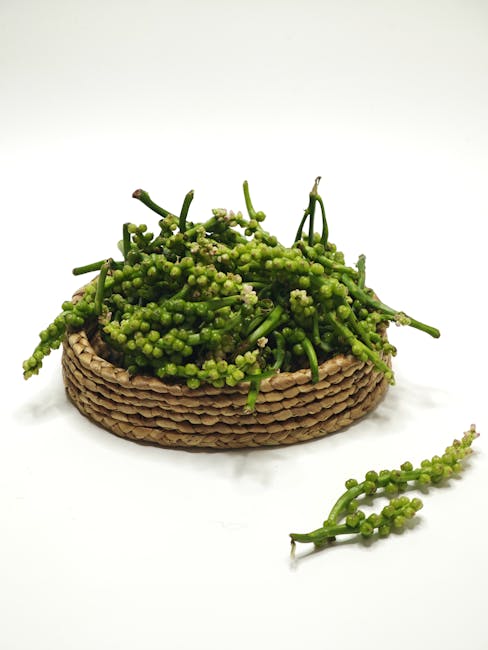
The finest black pepper in the world comes from the Malabar Coast of India, with Tellicherry Extra Bold berries holding the top reputation for quality. These extra-large berries are left to ripen longer on the vine, resulting in a rich, complex aroma and a deep, nuanced heat.
To get the maximum health and flavor benefits, select certified organic, unbleached black pepper that is free from synthetic additives or chemical processing. Choosing whole, sun-dried peppercorns ensures that the natural volatile oils and active piperine content remain protected until the moment you grind them.
Ayurvedic Science: What Organ Does Black Pepper Affect & How It Boosts Absorption
In both ancient Ayurvedic texts and modern pharmacology, black pepper exerts its strongest influence on the digestive system, stomach, and liver. Known in Ayurveda as Maricha, this potent spice kindles Agni (metabolic fire) to clear toxins (Ama) from the body.
What Organ Does Black Pepper Affect?
Black pepper targets several vital organs to promote systemic balance and efficient metabolic function. Its heating energy (Ushna Virya) stimulates key physiological pathways across the body.
- Stomach & Intestines: Stimulates hydrochloric acid secretion and pancreatic enzymes for optimal nutrient breakdown.
- Liver: Supports hepatic detox pathways and regulates metabolic processing.
- Lungs: Acts as a natural decongestant, balancing Kapha dosha in the respiratory tract.
The Ultimate Bio-Enhancer: Why Ayurveda Pairs 'Maricha' with Turmeric
In Ayurvedic tradition, black pepper is classified as a premier Anupana—a catalytic vehicle that enhances the delivery and effectiveness of other therapeutic herbs into deep body tissues.
Modern science confirms this ancient wisdom through the active alkaloid Piperine. When paired with turmeric, piperine significantly slows the breakdown of active compounds in the liver, drastically increasing overall Curcumin absorption for maximum anti-inflammatory benefits.
Incorporating fresh, high-potency organic black pepper into your meals ensures your body unlocks the full bio-availability of the spices and nutrients you consume daily.
Key Takeaways: Savoring Authentic Indian 'Kali Mirch' in Your Kitchen
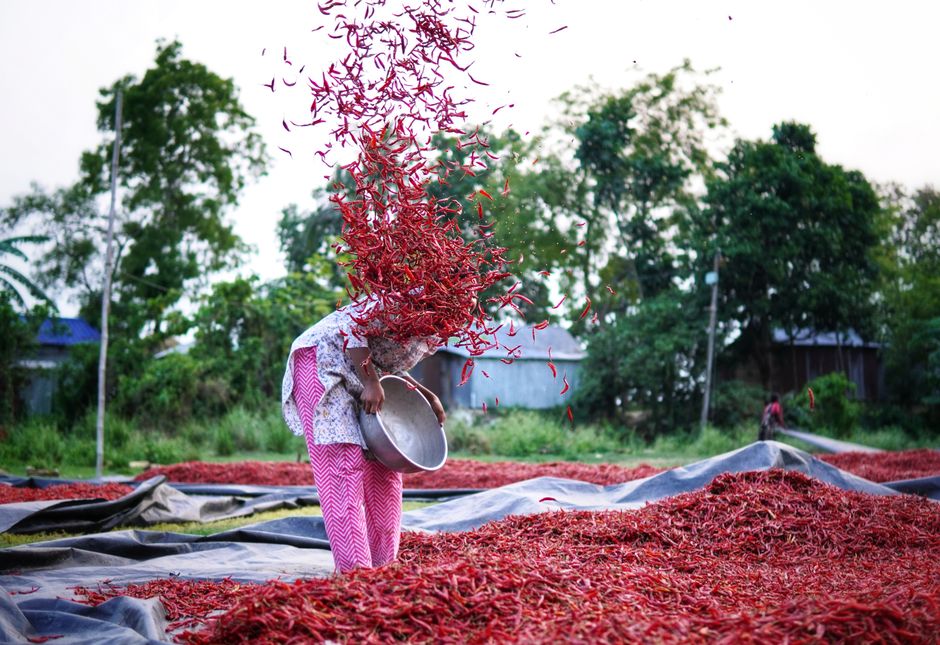
Known across the Indian subcontinent by diverse regional names—including Kali Mirch in Hindi, Maricha in Sanskrit, and Milagu in Tamil—this ancient spice is far more than a table condiment. In Ayurveda, it is revered as a powerful warming herb that kindles the digestive fire (Agni) and enhances the absorption of other vital nutrients.
Why You Should Always Choose Kali Mirch Sabut
To capture the true therapeutic and culinary potential of this spice, always opt for high-grade Kali Mirch Sabut (whole black pepper) over pre-ground alternatives. Whole peppercorns act as natural protective chambers, preserving the delicate volatile oils and active compounds within.
- Optimal Essential Oils: Grinding Kali Mirch Sabut fresh in your kitchen releases immediate aromatic compounds that quickly dissipate in pre-packaged powders.
- Bio-Enhancing Potency: Whole peppercorns retain higher concentrations of piperine, the active alkaloid responsible for boosting nutrient bioavailability.
- Guaranteed Purity: Selecting whole organic peppercorns eliminates the risk of common adulterants found in industrial ground spice mixes.
Bring authentic flavor and holistic wellness into your daily cooking. Explore our premium, sustainably sourced Black Pepper at Villorya Organics and experience the difference of uncompromised purity.

Frequently Asked Questions About the Indian Name of Black Pepper
What is the Ayurvedic name for black pepper?
In Ayurveda, black pepper is known as Maricha (or Marich). Named after the sun due to its intense heating energy, Maricha is a foundational herb used in traditional medicine to stimulate digestion (Agni), clear metabolic toxins (Ama), and balance Vata and Kapha doshas.
What organ does black pepper affect?
Black pepper primarily targets the stomach and intestinal tract by stimulating digestive enzymes. It also significantly benefits the lungs and respiratory system by breaking up mucus, and supports liver health by enhancing nutrient absorption and metabolic function through its active compound, piperine.
Which state is famous for black pepper?
Kerala is India's most famous state for black pepper production. Historically referred to as the "Spice Garden of India," Kerala's tropical Malabar Coast produces world-renowned organic black pepper varieties celebrated globally for their intense aroma, bold heat, and high essential oil content.
Which black pepper is best?
Organic Tellicherry Garbled Extra Bold (TGEB) black pepper from Kerala, India, is widely considered the best in the world. Left on the vine longer to fully ripen, these larger peppercorns feature a higher concentration of essential oils, delivering a superior, complex flavor and rich aroma.


