Seasoning Techniques: How to Flavor Food Like a Pro

Mastering Culinary Seasoning Techniques: A Food-Science Guide to Flavoring Like a Chef

Seasoning vs. Flavoring: What Is the Difference?
Understanding the fundamental difference between seasoning and flavoring is the secret to mastering advanced seasoning techniques in cooking. While these terms are often used interchangeably in home kitchens, they perform two distinct culinary roles on your palate.
When you are seasoning food, your primary goal is to enhance and heighten the natural flavors already present in the ingredients. Salt is the ultimate seasoning agent, acting as a magnifier that coaxes out the inherent sweetness, richness, or earthiness of your organic ingredients without changing their core identity.
In contrast, flavoring is the art of introducing entirely new taste profiles and aromatic layers to a dish. By blending vibrant organic spices, fresh herbs, vinegars, and marinades, you alter the original taste of the food to create a completely new sensory experience.
The Science of Taste and the Umami Factor
To master these techniques, you must understand how your palate interacts with the five primary tastes: sweet, sour, salty, bitter, and Umami. Umami, often described as the fifth taste, represents a deep, savory, and mouth-watering sensation that binds other flavors together.
In culinary science, MSG (Monosodium Glutamate) is widely recognized as a powerful compound for boosting this savory profile. While MSG (Monosodium Glutamate) occurs naturally in ingredients like tomatoes and aged cheeses, you can also naturally elevate Umami by using high-quality, organic spice blends that synergize with the natural glutamates in your food.
Balanced cooking relies on understanding how these elements interact to create a cohesive dish:
- Salt (Seasoning): The absolute cornerstone of cooking, used to suppress bitterness and highlight sweetness.
- Organic Spices (Flavoring): Introduce warmth, heat, and complex botanical notes that redefine the character of the dish.
- Acids (Flavoring): Brighten heavy profiles and cut through rich fats.
- Umami (Deepening): Creates a lingering, savory satisfaction that makes simple dishes taste incredibly robust.

The Molecular Science of Salt: Why Sodium is the Ultimate Flavor Enhancer
At the heart of master-level seasoning techniques lies a single, indispensable mineral: sodium. When pondering the fundamental culinary question, "how do you season food?" the answer invariably begins with understanding this powerful element.
Rather than simply making ingredients taste "salty," sodium acts as a biological magnifying glass. It alters our physical perception of flavor, transforming flat dishes into vibrant, multi-dimensional culinary experiences.
The Biological Mechanism of Taste Modulation
The human tongue relies on specialized receptors to detect five basic tastes. Molecular gastronomy studies demonstrate that sodium ions chemically suppress our bitter taste receptors, temporarily blocking them from sending signals to the brain.
By silencing bitterness, salt allows the tongue to perceive sweetness and umami much more intensely. This chemical shift is why a pinch of salt can make organic dark chocolate taste sweeter and savory broths taste dramatically richer.
Selecting the Right Salt for Your Culinary Creations
Mastering your seasoning techniques requires knowing which salt to reach for during the cooking process. The grain size and density of your salt dictate how quickly it dissolves and how evenly it seasons your ingredients.
| Salt Type | Grain Size | Density & Texture | Culinary Applications |
|---|---|---|---|
| Table salt | Fine, uniform crystals | Highly dense; dissolves rapidly and tastes intensely salty per teaspoon. | Baking, precise measurements, and quick-dissolving liquid brines. |
| Kosher salt | Coarse, flat flakes | Light and hollow; easy to pinch and control by hand. | Everyday seasoning, dry-brining meats, and building foundational flavors. |
| Sea salt | Coarse to flaky grains | Variable density; often contains trace minerals from evaporated ocean water. | Finishing cooked dishes to add a delicate, crunchy texture and mineral complexity. |
To elevate your organic cooking, try seasoning your dishes in layers. Start with a moderate pinch of Kosher salt during the initial prep to build depth, and finish with a delicate sprinkle of mineral-rich Sea salt right before serving.

The Culinary Timeline Method: A Food-Science Approach to Seasoning Timing
Mastering professional-grade cooking requires understanding that flavor is not static; it is a dynamic process of molecular extraction, diffusion, and volatility. To truly learn how to season food like a chef, you must master the Culinary Timeline Method, which aligns your seasoning steps with physical and chemical changes in the food.
One critical scientific principle to remember is how temperature affects seasoning perception on the human palate. Warm foods volatilize aromatic compounds, making flavors taste more intense, whereas cold foods require more assertive seasoning to achieve the exact same flavor profile before serving.
Phase 1: Pre-Heat Seasoning (Dry Rubbing vs. Brining and Marinating)
Applying your seasoning before heat touches the pan is crucial for deep flavor integration. During this phase, you are utilizing osmosis and diffusion to draw moisture out, dissolve salt, and pull flavors deep into the cellular structure of your ingredients.
- Dry Rubbing: Perfect for creating a caramelized, flavorful crust. Applying a dry rub of organic spices like Villorya's cumin and black pepper hours before cooking allows the spices to bind with surface proteins.
- Brining and Marinating: Wet techniques that use salt and organic acids to break down tough fibers. This process carries soluble flavor compounds deep into the food, ensuring moisture retention during the cooking process.
Phase 2: Mid-Cook Seasoning and Flavor Layering
As cooking progresses, your focus shifts to flavor layering to build complexity. This phase relies heavily on fat solubility, as many of the active, therapeutic compounds in organic spices are fat-soluble rather than water-soluble.
Introducing spices like organic turmeric or mustard seeds directly into warm oil—a technique known in Ayurvedic cooking as blooming or tadka—releases essential oils that cannot be unlocked by water alone. Layering these seasoning techniques mid-cook ensures a multi-dimensional taste profile that develops gradually on the palate.
Phase 3: Post-Heat Finishing and Balancing with Acids
The final phase occurs just before serving, when the food begins to cool slightly. Because temperature affects seasoning volatility, high cook temperatures can easily destroy delicate, heat-sensitive compounds found in fresh herbs and finishing spices.
At this stage, lift the dish's profile by adding a touch of acid, such as fresh citrus juice, alongside a final pinch of mineral-rich salt. This chemical contrast brightens the heavy, cooked flavors and activates salivary glands, maximizing the perception of the premium spices you carefully layered during the earlier phases.
The Chemistry of Herbs: Fresh vs. Dried
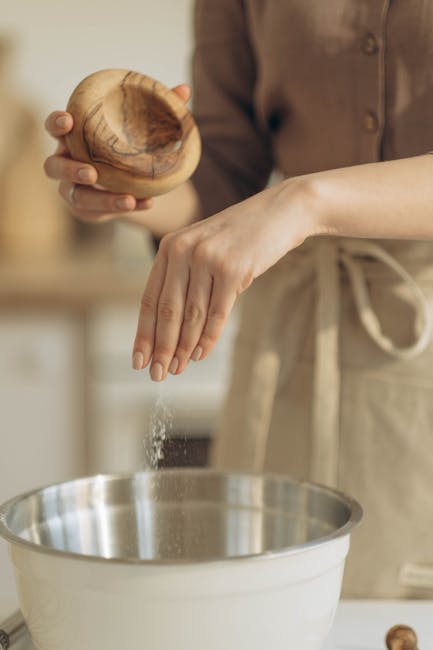
Understanding the molecular difference between fresh vs dried herbs is the secret to mastering advanced seasoning techniques. While fresh herbs bring vibrant, volatile top notes to a dish, dried herbs offer a deeply concentrated, complex base of flavor.
Understanding VOCs and Thermal Degradation
Scientific analysis using gas chromatography-mass spectrometry (GC-MS) reveals that fresh herbs are rich in highly volatile organic compounds (VOCs) like monoterpenes. These delicate compounds have a low thermal degradation threshold, meaning high cooking temperatures quickly destroy their aromatic profiles.
During the drying process, water is removed, which naturally concentrates the heavier, more stable sesquiterpenes. This chemical shift allows dried spices and herbs to withstand longer cooking times, making them ideal for simmering, roasting, and braising.
Unlocking Aroma: Grinding for Maximum VOC Release
To awaken the dormant essential oils locked inside dried botanicals, you must rupture their physical cell walls just before cooking. Using a heavy mortar and pestle is the preferred Ayurvedic method, as the crushing action shears the cell walls and releases aromatic lipids without generating heat.
For tougher seeds and bark, a high-speed electric spice grinder offers a quick and efficient alternative. To prevent thermal damage during mechanical grinding, pulse the grinder in short bursts to keep the blades and spices cool.
Fresh to Dried Herb Conversion Chart
Because dried herbs are much more potent than their fresh counterparts, you must adjust your measurements accordingly. Use this quick reference guide to maintain the perfect flavor balance in your culinary creations.
| Herb Type | Fresh Measurement | Dried Equivalent | Best Culinary Application |
|---|---|---|---|
| Oregano | 1 tablespoon | 1 teaspoon | Slow-simmered tomato sauces and marinades |
| Thyme | 1 tablespoon | 1 teaspoon | Roasted root vegetables and hearty stews |
| Rosemary | 1 tablespoon | 1 teaspoon | Infused oils and slow-roasted meats |
| Basil | 3 teaspoons | 1 teaspoon | Stirred into warm pasta dishes at the end |

Beyond Salt: Essential Spices of the Global Kitchen
Elevating your daily meals goes far beyond just adding salt and pepper. By mastering mindful seasoning techniques and understanding global flavor profiles, you can transform simple ingredients into vibrant, nourishing masterpieces.
The 20 Most Common Spices: A Culinary Guide
Many home cooks wonder: what are the 20 most common spices used in cooking worldwide? Having these staples in your organic pantry ensures you can recreate almost any global recipe with ease and authenticity.
| Spice | Flavor Profile | Best Culinary Uses |
|---|---|---|
| Cumin | Earthy, smoky, warm | Chilis, curries, roasted vegetables |
| Coriander | Citrusy, sweet, light | Spice rubs, soups, marinades |
| Turmeric | Earthy, bitter, woody | Golden milk, curries, rice dishes |
| Black Pepper | Sharp, pungent, woody | Universal seasoning, meat rubs |
| Cinnamon | Sweet, woody, spicy | Baking, oatmeal, Moroccan tagines |
| Ginger | Zesty, spicy, sweet | Stir-fries, teas, baked goods |
| Paprika | Sweet, smoky, mild | Stews, roasted potatoes, garnishes |
| Garlic Powder | Savory, pungent, sweet | Dry rubs, garlic bread, marinades |
| Onion Powder | Sweet, savory, concentrated | Seasoning blends, soups, sauces |
| Cayenne Pepper | Sharp, fiery, neutral heat | Spicing up sauces, roasted meats |
| Cardamom | Floral, herbal, citrusy | Chai, rice pilafs, Scandinavian baking |
| Cloves | Intensely sweet, pungent | Mulled beverages, spice blends, ham |
| Nutmeg | Sweet, nutty, warm | Bechamel sauce, eggnog, autumn baking |
| Mustard Seeds | Sharp, pungent, nutty | Pickling, oil tempering, curries |
| Fenugreek | Bittersweet, maple-like | Indian dals, spice blends, maple syrups |
| Fennel Seeds | Anise-like, sweet, licorice | Italian sausage, digestive teas, breads |
| Allspice | Clove, cinnamon, nutmeg hybrid | Jerk seasoning, stews, baking |
| Star Anise | Licorice-like, sweet, strong | Chinese five-spice, broths, pho |
| Sumac | Tart, fruity, astringent | Middle Eastern salads, hummus, kebabs |
| Saffron | Floral, honey-like, metallic | Paella, risottos, luxury desserts |
The Sacred 7 Indian Spices and Their Synergy
In Ayurvedic culinary traditions, spices are selected not just for taste, but for their ability to balance bodily energies (doshas). At the heart of this ancient system are the traditional 7 Indian spices that form the foundation of complex, aromatic curries.
Buy Your First Organic Spice For FREE
No hidden charges. Experience the unmatched aroma and medicinal purity of single-origin Indian spices. Your full order amount will be 100% refunded to your bank account after successful delivery.

Single-Origin Rajasthan
Cumin Seeds (जीरा)

Tellicherry Grade
Black Pepper (काली मिर्च)

Sweet Lucknowi
Fennel Seeds (सौंफ)
- Turmeric: Provides a warm, bitter note and a rich golden color, revered for its natural anti-inflammatory qualities.
- Coriander: Offers a sweet, citrusy, and cooling undertone that balances heavier, hotter spices.
- Cumin: Delivers a smoky, nutty depth that acts as the grounding anchor for most spice blends.
- Mustard Seeds: Release a sharp, pungent kick and nutty aroma when popped in warm oil.
- Fenugreek: Brings a complex, bittersweet flavor reminiscent of maple, helping to round out rich sauces.
- Cayenne: Stimulates digestion and adds clean, piercing heat to balance the earthy elements.
- Garam Masala: A warming blend of spices (often featuring cardamom, cinnamon, and cloves) added at the end of cooking for aromatic top notes.
To fully activate these 7 Indian spices, utilize the technique of *tadka* (blooming spices in hot organic ghee or oil). This coaxes out the fat-soluble volatile oils, maximizing both flavor and bio-availability for optimal wellness.

How to Save a Ruined Dish: Fixing Over-Seasoned or Too Salty Food
Every home chef has experienced the moment of panic when a slip of the hand turns a beautiful meal into an unpalatable disaster. Fortunately, mastering professional seasoning techniques means knowing how to restore balance when a dish is over-seasoned or overly salty.
By understanding how different tastes interact, you can use organic kitchen staples to rescue your food. In Ayurvedic cooking, this is known as balancing the six tastes to bring harmony back to your plate.
Actionable Rescue Techniques for Over-Seasoned Meals
If you are wondering how to fix food that has been compromised by a heavy hand, your primary goal is to neutralize the dominant flavor. You can achieve this through dilution, neutralizing agents, or flavor masking.
- Dilute the Base: The easiest way to rescue an over-salted food item is to add more volume. Increase the liquid with unsalted organic broth, water, or a splash of unsalted coconut milk.
- Adjust the Acidity / pH Balance: Introducing sour elements can chemically mask excess salt and brighten dull flavors. A squeeze of fresh organic lemon juice or a splash of raw apple cider vinegar will instantly alter the Acidity / pH balance, tricking your tastebuds into perceiving less salt.
- Incorporate Healthy Fats: Fat coats the palate, reducing the immediate impact of intense spices. Stir in a spoonful of organic ghee, heavy cream, or unsweetened coconut cream to mellow out a dish that is too spicy or over-seasoned.
- Balance with Sweetness: A tiny pinch of organic coconut sugar or raw honey can counteract excessive bitterness or heat. Use this technique sparingly so your savory dish does not taste like dessert.
Quick-Reference Flavor Rescue Guide
Use this reference table to quickly identify the correct organic countermeasure for your specific seasoning mistake.
| Flavor Mistake | Primary Countermeasure | Organic Kitchen Remedy |
|---|---|---|
| Over-Salted | Dilution & Acid Balance | Add unsalted broth, raw potatoes (to absorb liquid), or a splash of fresh lemon juice. |
| Too Spicy / Pungent | Fat Solubilization | Stir in organic ghee, coconut milk, or a dollop of unsweetened yogurt. |
| Too Sweet | Sour or Bitter Contrast | Add apple cider vinegar, lime juice, or a pinch of unsweetened organic cocoa powder. |
| Too Bitter | Sweet & Salty Balance | Incorporate a touch of maple syrup or a tiny pinch of high-quality sea salt. |
Visual Aid Concept: Flavor Troubleshooting Flow-Chart
To help you visualize these culinary rescue paths, our design team has outlined a troubleshooting flow-chart. Use these decision pathways the next time your seasoning goes awry:
- Path A: Over-Salting (Too Salty) → First, try *Dilution* (add unsalted liquid or bulk ingredients) → If still salty, apply *Acid Addition* (squeeze organic lemon juice to adjust the Acidity / pH balance).
- Path B: Over-Spicing (Too Hot/Pungent) → Do not add water → Immediately add *Fat or Dairy* (organic ghee, sour cream, or coconut cream) to bind with the heat-carrying compounds.
- Path C: Lack of Depth (Bland or Flat) → Do not just add salt → Add *Umami or Acid* (a splash of organic tamari, nutritional yeast, or a drizzle of vinegar) to wake up the existing spices.
How to Season Food Without Salt: Low-Sodium Techniques
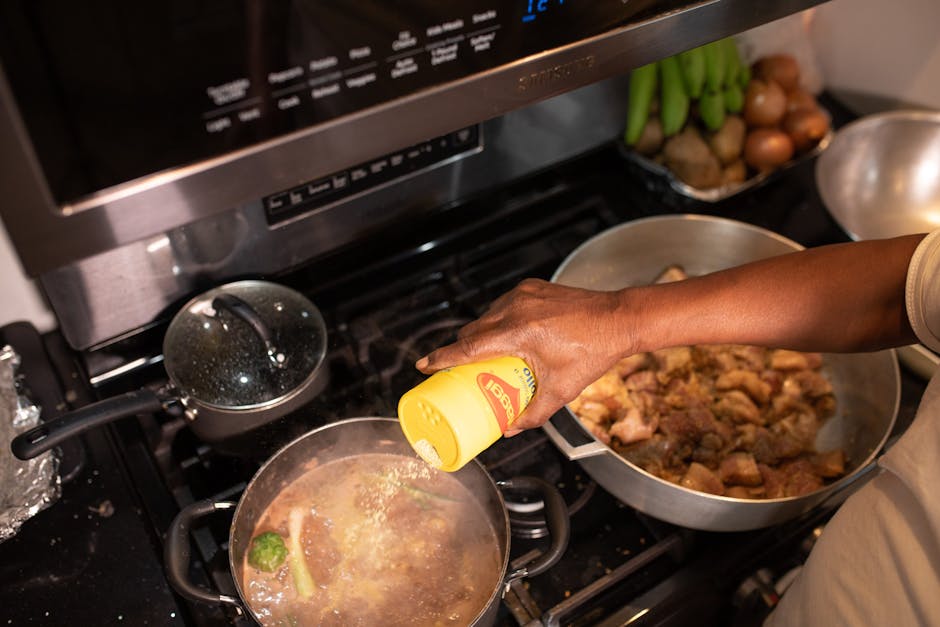
Reducing your sodium intake does not mean sacrificing the vibrant flavors of your meals. By mastering mindful seasoning techniques, you can awaken your palate using pure, organic ingredients that align with Ayurvedic wellness principles.
Learning how to season food without salt relies on layering tastes to stimulate different flavor receptors on your tongue. With the right combination of organic spices and natural flavor enhancers, you can create deeply satisfying dishes that support heart health.
1. Layer Pungent Aromatics
Building a robust flavor foundation starts with pungent aromatics like garlic, ginger, shallots, and scallions. In Ayurvedic cooking, these ingredients are prized for warming the digestive fire (Agni) while adding depth to soups, grains, and stir-fries.
Sautéing these aromatics in a high-quality cooking fat, like organic ghee or coconut oil, coaxes out their natural sweetness and sulfurous complexity. This technique creates a rich sensory base that makes the absence of salt virtually unnoticeable.
2. Brighten Dishes with Acidic Ingredients
Acids are the ultimate secret weapon when learning how to season food without salt. Ingredients like fresh lemon juice, lime zest, and verjus (the pressed juice of unripened wine grapes) mimic the brightening effect of sodium on the tongue.
Adding a splash of acid just before serving lifts the heavy notes of a dish and coaxes out the subtle nuances of your herbs and spices. This simple seasoning technique tricks the brain into perceiving a fuller, more well-rounded flavor profile.
3. Elevate Umami with Nutritional Yeast
To replicate the savory, mouth-watering depth that salt often provides, look to umami-rich ingredients. Nutritional yeast is a deactivated yeast that delivers a naturally cheesy, nutty, and deeply savory profile to any dish.
Sprinkle nutritional yeast over roasted vegetables, popcorn, or stir it into grain bowls. It provides a rich depth of flavor and is packed with B-vitamins, making it a staple for healthy, low-sodium cooking.
4. Balance with Potassium-Based Salt Substitutes
For those transitioning to a low-sodium diet, potassium-based salt substitutes can offer a familiar salty taste. These substitutes replace sodium chloride with potassium chloride to help ease the transition.
However, because potassium substitutes can sometimes carry a slightly metallic aftertaste, they are best used in moderation. Combine them with high-quality organic spices like cumin, coriander, and black pepper to create a seamless, delicious flavor profile.
Low-Sodium Flavor Swaps
Use this quick-reference guide to replace salt with health-promoting, organic alternatives during your next meal prep.
| Salt Function | Organic/Natural Substitute | Best Used In |
|---|---|---|
| Brightening / Lifting Flavor | Lemon juice, lime zest, verjus | Soups, salads, grilled fish |
| Depth / Savory "Umami" | Nutritional yeast, tomato paste | Grains, roasted vegetables, sauces |
| Warmth / Base Complexity | Garlic, ginger, organic cumin | Stir-fries, lentil curries, stews |

Non-Culinary Seasoning: Wood and Cast Iron Explained
While we love discussing how organic spices transform your culinary creations, the word "seasoning" often leads to search confusion. In non-culinary contexts, this term refers to preparing natural materials like timber and cookware for long-term durability. Understanding these processes helps us appreciate how natural preservation works across different areas of our homes.
What is Natural Seasoning of Wood?
If you have ever wondered about the woodworking term, the natural seasoning of wood is the traditional process of drying out moisture from raw timber. Newly cut wood contains high water content, which makes it prone to warping, cracking, or burning poorly as firewood.
By stacking timber outdoors and allowing air to circulate freely, the wood slowly acclimates to the environment. This patient, chemical-free method mirrors our commitment to sustainable, natural processes, ensuring the wood becomes strong, stable, and ready for carpentry or clean combustion.
How to Season Cast Iron
For home cooks, knowing how to season cast iron is essential for maintaining a healthy, non-toxic kitchen. Unlike synthetic non-stick coatings, seasoning cast iron involves bonding a thin layer of organic oil directly to the iron surface through heat polymerization.
To achieve this natural protective barrier in your oven, follow these simple steps:
- Wash the pan thoroughly and dry it completely on the stove to remove any remaining moisture.
- Apply a very thin coat of high-smoke-point organic oil, such as flaxseed or grapeseed oil, to the entire surface.
- Bake the cookware upside down in an oven preheated to 450°F (230°C) for one hour, then let it cool slowly inside the oven.
How to Season Cast Iron Without Oven
If you prefer not to heat up your kitchen, you can easily learn how to season cast iron without oven methods by using your stovetop instead. This technique is highly effective for quick touch-ups after cooking a meal.
Simply heat your clean, dry skillet on a burner over medium-high heat until it is hot. Rub a tiny amount of organic oil over the surface using a dry cloth, heat until it starts to smoke slightly, and then buff away the excess oil. Repeating this quick stovetop method builds a durable, naturally non-stick glaze over time.

Frequently Asked Questions About Seasoning Techniques
What are the 20 most common spices used in cooking?
The 20 most common spices include black pepper, cumin, garlic powder, onion powder, paprika, cinnamon, ginger, turmeric, nutmeg, cloves, cardamom, coriander, chili powder, cayenne, oregano, rosemary, thyme, basil, mustard seed, and allspice. Choosing organic versions of these spices ensures they are free from synthetic pesticides and irradiation, preserving their natural potency and flavor.
What is natural seasoning of wood?
Natural seasoning of wood, also called air drying, is the process of reducing the moisture content of timber by exposing it to natural air and sun. Unlike culinary seasoning with organic spices, this industrial technique prepares wood for use by stacking it outdoors under cover to prevent warping, cracking, and decay.
How do you season food?
To season food, add salt, pepper, and organic spices or herbs during or after cooking to enhance its natural flavors. Layer your seasoning by adding kosher salt early to penetrate the food, and finish with delicate organic herbs and ground spices near the end of cooking to preserve their volatile oils and aromatic profile.
What are the 7 Indian spices?
The traditional "seven Indian spices" (often found in a Masala Dabba) are turmeric, cumin seeds, mustard seeds, coriander powder, red chili powder, garam masala, and fenugreek seeds. Opting for certified organic Indian spices guarantees high-quality, chemical-free ingredients that deliver the authentic, robust flavors essential to traditional Indian cuisine.


