How to Use Spices Chart: Flavor Any Dish Easily

The Ultimate 'How to Use Spices Chart' & Flavor Science Pairing Guide

The Flavor Science of Cooking: How to Know Which Spices to Use
To master how to know which spices to use, we must look beyond culinary intuition and explore the fascinating world of organic chemistry. Every whole spice contains complex chemical volatiles that dictate how they interact with our taste receptors and olfactory senses.
In his seminal work On Food and Cooking, food science authority Harold McGee explains that these volatile compounds are what define distinct Flavor Profiles. By understanding how these chemical families behave, we can create harmonious pairings that elevate the natural essence of our ingredients.
Categorizing the Core Flavor Profiles (Earthy, Warm, Sweet, Pungent, Citrusy)
To simplify your kitchen chemistry, spices can be organized into five fundamental Flavor Profiles. Balancing these profiles is the ultimate secret to creating multi-dimensional dishes:
- Earthy: Grounded and rich, these spices contain heavy compounds like cuminaldehyde. Organic Cumin is the prime exemplar of this profile, interacting with our savory taste receptors to provide a deep, warm foundation to legumes and root vegetables.
- Citrusy: Bright, floral, and uplifting, these spices are rich in volatile terpenes like linalool. Organic Coriander excels here, delivering a refreshing, woody-citrus note that cuts through heavy, rich ingredients.
- Warm: Comforting and gently sweet, these spices stimulate thermal receptors without intense heat. Organic Paprika fits beautifully here, offering a sweet, smoky resonance that bridges earthy and pungent elements together.
- Sweet: Highly aromatic spices like cinnamon and clove that mimic sweetness on the palate, helping to round out bitter or acidic dishes.
- Pungent: Sharp, heat-inducing spices like black pepper and mustard seeds that stimulate circulation and add vital energy to a blend.
By learning how these chemical volatiles interact, you transition from simply following recipes to practicing true culinary alchemy. Balancing these five core profiles ensures that every meal is both physically satisfying and beautifully harmonized.

The Master Food-to-Spice Pairing Matrix (Printable PDF Chart)
Unlocking the therapeutic benefits and rich flavors of organic seasoning begins with understanding how different botanicals interact with your ingredients. To help you navigate your kitchen with intuitive ease, we have created a comprehensive, downloadable How to use spices chart pdf for your daily reference.
Whether you are roasting root vegetables or preparing a protein-rich lentil dal, matching the right spice to your base ingredient honors traditional Ayurvedic principles of digestion and balance. If you prefer to keep a hard copy handy in your pantry, you can download our complete Spice combinations chart pdf to guide your culinary creations.
To elevate your everyday cooking, we recommend keeping three foundational spices on hand: Cumin for grounding, earthy depth; Paprika for a vibrant, sweet-heat balance; and Coriander to introduce a cooling, citrusy brightness. Use this master Herbs and spices Chart to masterfully pair your ingredients with Villorya Organics' premium, single-origin spices.
| Food Category | Specific Ingredient | Best Companion Spices | Flavor Profile & Culinary Notes |
|---|---|---|---|
| Proteins | Beef | Cumin, Black Pepper, Garlic, Rosemary | Grounding and robust; Cumin provides an earthy depth that balances rich fats. |
| Poultry | Paprika, Coriander, Thyme, Ginger | Warm and savory; Paprika adds a beautiful crimson hue and subtle sweet-heat balance. | |
| Pork | Fennel, Sage, Mustard Seed, Cardamom | Digestive and sweet-savory; helps lighten heavy proteins according to Ayurvedic tradition. | |
| Seafood | Coriander, Turmeric, Dill, Fennel | Bright and cleansing; Coriander cuts through rich seafood with refreshing citrus notes. | |
| Vegetables | Cruciferous (Broccoli, Brussels Sprouts) | Mustard Seed, Turmeric, Cumin, Garlic | Pungent and warming; helps reduce the gas-forming qualities of brassica vegetables. |
| Root Vegetables (Carrots, Sweet Potatoes) | Cinnamon, Nutmeg, Ginger, Coriander | Sweet and grounding; enhances the natural sugars of earth-grown crops. | |
| Nightshades (Tomatoes, Eggplants) | Fennel, Oregano, Paprika, Basil | Rich and savory; balances the acidity of tomatoes with sweet and herbaceous tones. | |
| Grains & Starches | Rice | Cardamom, Cloves, Cumin, Saffron | Aromatic and elegant; transforms simple white or brown rice into a fragrant side dish. |
| Quinoa | Coriander, Cumin, Turmeric, Chili | Nutty and bright; infuses the ancient grain with warm, earthy undertones. | |
| Legumes | Lentils (Dal) | Turmeric, Cumin, Ginger, Mustard Seed | Highly digestive and warming; crucial for releasing the nutrients in plant-based proteins. |
| Beans (Black, Garbanzo) | Paprika, Cumin, Oregano, Coriander | Smoky and comforting; ideal for building deep savory bases in chilis and stews. |
By saving this Spice chart to your device, you will always know exactly how to transform basic ingredients into deeply nourishing, restaurant-quality meals.
Essential DIY Spice Blend Formulas and Ratios
Crafting your own signature blends from whole or ground spices is the ultimate way to control flavor purity and freshness. When you use 100% organic, non-irradiated spices from Villorya Organics, you ensure your blends are free from synthetic anti-caking agents and chemical residues.
To begin blending, we recommend using a simple ratio system based on weight or volume. Try this timeless, all-purpose Ayurvedic warm blend to kickstart your pantry collection:
- 3 Parts Ground Coriander (for light, citrusy brightness)
- 2 Parts Ground Cumin (for grounding, digestive warmth)
- 1 Part Ground Fennel (for sweet, soothing digestion)
- 1/2 Part Ground Turmeric (for anti-inflammatory color and depth)
Simply toast the whole seeds gently in a dry pan until fragrant, let them cool, and grind them in a clean spice mill. Store your creation in an airtight glass jar away from direct sunlight to preserve the volatile, therapeutic oils.

How to Use Spices Correctly: Chemical Solubility and Cooking Timing
To master how to use spices correctly, you must understand that flavoring food is not just an art—it is organic chemistry. Spices contain complex, bioactive compounds that dictate how they release their aroma and taste when exposed to heat, fat, and water.
Research published in the Journal of Agricultural and Food Chemistry highlights that many essential spice volatiles, such as curcumin in Turmeric and piperine in black pepper, are hydrophobic. This means these active wellness compounds are fat-soluble and require a lipid medium to unlock their full culinary and therapeutic potential.
Conversely, many delicate, aromatic compounds are highly volatile and easily destroyed by prolonged exposure to high heat. Knowing how to use spices in cooking requires balancing this chemical solubility with precise temperature control.
How Do You Bloom Spices in Oil to Maximize Flavor Extraction?
Blooming / Toasting is the ancient culinary technique of gently heating spices in a fat medium, such as ghee or cold-pressed oil, before adding other ingredients. This process coaxes out fat-soluble flavor molecules, dispersing them evenly throughout your entire dish.
To bloom your spices correctly, follow this simple method:
- Heat a high-quality organic fat over medium-low heat.
- Add your spices and stir continuously for 30 to 60 seconds until they release a rich aroma.
- Immediately add wet ingredients (like onions, tomatoes, or broth) to lower the temperature and prevent burning.
This rapid extraction is particularly crucial for earthy spices like cumin, coriander, and Turmeric, ensuring their active compounds become highly bioavailable and fully integrated into the meal.
When Should You Add Whole Spices Versus Ground Spices During Cooking?
Timing is the ultimate secret to preserving the delicate, volatile oils that give spices their distinctive health-supportive properties. Whole spices are highly resilient and should be added at the very beginning of the cooking process.
Because whole spices release their flavors slowly, they can withstand long simmering times in stews, broths, and grains. This slow infusion allows the heat to gently draw out deep, rounded flavor notes without scorching the plant material.
Buy Your First Organic Spice For FREE
No hidden charges. Experience the unmatched aroma and medicinal purity of single-origin Indian spices. Your full order amount will be 100% refunded to your bank account after successful delivery.

Single-Origin Rajasthan
Cumin Seeds (जीरा)

Tellicherry Grade
Black Pepper (काली मिर्च)

Sweet Lucknowi
Fennel Seeds (सौंफ)
Conversely, ground spices have a much larger surface area, making their volatile oils highly susceptible to heat damage. Add ground spices toward the middle or end of cooking to prevent them from burning, turning bitter, or losing their delicate Ayurvedic benefits.

Demystifying Global Spice Classifications
To master the art of seasoning, one must first understand how diverse cultures categorize their aromatic treasures. At Villorya Organics, we believe that classifying spices by their culinary roles and ancestral origins helps demystify how to layer flavors effectively. By mastering these foundational groupings, you can easily transition from following recipes to intuitively creating your own signature dishes.
What Are the 7 Indian Spices and Their Uses?
Traditional Indian cooking, grounded in ancient Ayurvedic wisdom, revolves around a core set of spices known as the Masala Dabba essentials. Understanding the 7 Indian spices and their uses allows you to unlock deep, authentic flavors while supporting natural digestion and vitality.
- Turmeric (Haldi): Earthy and vibrant, this root is celebrated for its warm golden hue and powerful antioxidant support. It is best bloomed in oil at the start of cooking.
- Cumin Seeds (Jeera): These seeds provide a smoky, nutty foundation crucial for tempering oils. Always toast them first to release their deep, earthy aroma.
- Mustard Seeds (Rai): These seeds deliver a sharp, nutty kick when popped in hot ghee or oil. They are essential for balancing rich, heavy dishes.
- Coriander Powder (Dhania): This powder offers a sweet, citrusy, and cooling undertone that binds other bold spices together. Use it generously in stews and marinades.
- Garam Masala: A warming blend of cardamoms, cinnamon, and cloves used to elevate dishes at the end of cooking. It stimulates the metabolic fire, known in Ayurveda as Agni.
- Chili Powder (Lal Mirch): This spice adds vibrant red color and controlled heat to stimulate digestion. Adjust the quantity to suit your preferred heat level.
- Fennel Seeds (Saunf): Delivering a sweet, licorice-like note, fennel is highly valued for its soothing effect on the stomach. It is excellent in both savory curries and post-meal digestifs.
What Are the 24 Essential Culinary Spices?
When expanding your global pantry, knowing what are the 24 spices considered essential by professional chefs is a game-changer. These building blocks span across Mediterranean, Middle Eastern, and Asian cuisines, helping you curate a highly versatile kitchen.
To help you navigate this global library, we have organized these essentials into a practical how to use spices chart. This reference guide will help you understand their flavor profiles and ideal culinary applications.
| Spice Name | Primary Flavor Profile | Best Culinary Uses |
|---|---|---|
| Black Pepper | Sharp, pungent, and woody | Universal seasoning, meat rubs, and marinades. |
| Cumin | Earthy, warm, and slightly smoky | Chilis, curries, taco seasonings, and roasted vegetables. |
| Coriander | Citrusy, floral, and light | Dry rubs, slow-cooked meats, and spice blends. |
| Turmeric | Earthy, bitter, and warm | Rice dishes, curries, and nourishing golden milk. |
| Cinnamon | Sweet, woody, and highly aromatic | Baked goods, oatmeal, Moroccan tagines, and stews. |
| Cardamom | Herbal, citrusy, and sweet | Chai tea, pastries, and aromatic basmati rice. |
| Cloves | Intense, sweet, and medicinal | Mulled beverages, spice blends, and glazed meats. |
| Nutmeg | Warm, sweet, and nutty | Béchamel sauce, potato dishes, and eggnog. |
| Paprika | Sweet, mild, or intensely smoky | Roasted potatoes, stews, and decorative garnishes. |
| Cayenne Pepper | Hot, sharp, and pungent | Adding heat to sauces, marinades, and wing glazes. |
| Ginger | Zesty, sharp, and warming | Stir-fries, baking, marinades, and soothing teas. |
| Garlic Powder | Savory, sweet, and pungent | Garlic bread, dry rubs, and instant savory depth. |
| Onion Powder | Sweet, savory, and concentrated | Soups, sauces, and homemade seasoning blends. |
| Oregano | Pungent, herbal, and slightly bitter | Pizza, tomato sauces, and Greek vinaigrettes. |
| Thyme | Earthy, minty, and subtle | Roasted poultry, root vegetables, and herbed butter. |
| Rosemary | Piney, aromatic, and woodsy | Roasted potatoes, focaccia, and roasted lamb. |
| Sage | Musty, warm, and peppery | Stuffing, brown butter sauces, and pork dishes. |
| Bay Leaf | Herbal, floral, and medicinal | Slow-cooked soups, stews, and pasta sauces. |
| Mustard Seed | Sharp, tangy, and pungent | Pickles, salad dressings, and oil temperings. |
| Fennel Seed | Sweet, licorice-like, and cooling | Italian sausage, seafood dishes, and digestive teas. |
| Star Anise | Strong anise, sweet, and licorice-like | Vietnamese pho, Chinese five-spice, and broths. |
| Allspice | Complex blend of cinnamon, nutmeg, and clove | Jamaican jerk seasoning, stews, and spiced cakes. |
| Fenugreek | Bitter, nutty, and maple-like | Indian curries, chutneys, and savory flatbreads. |
| Sumac | Tart, fruity, and citrusy | Hummus toppings, fattoush salad, and grilled chicken. |

Emergency Culinary Rescue: How to Fix a Dish If You Add Too Much Spice
Accidentally tipping the spice jar is a common kitchen mishap, but you do not have to discard your meal. Understanding the science of culinary chemistry allows you to easily learn how to fix over-spiced food while preserving the organic integrity of your ingredients.
If your dish is burning hot, rely on the process of capsaicin dairy binding. Capsaicin, the chemical compound that makes chilis hot, is hydrophobic and binds easily to fats; the protein casein found in dairy products molecularly surrounds and neutralizes capsaicin, washing it off your palate.
If you have overdone earthy or bitter spices like cumin, introducing dietary acids is the most effective remedy. The chemical mechanism of acid pH masking bitterness works because sour compounds block the bitter taste receptors on your tongue, balancing the overall flavor profile of your dish.
The Emergency Spice Substitution Matrix
Use this quick-reference guide to scientifically balance your dishes when spice levels get out of hand:
| Type of Spice Overload | The Rescue Ingredient | The Culinary Chemistry at Work |
|---|---|---|
| Excessive Heat (Cayenne, Chili Flakes) | Organic Ghee, Yogurt, or Coconut Cream | Fats dissolve hydrophobic capsaicin, while dairy proteins break its bond with pain receptors. |
| Bitter/Earthy Overload (Cumin, Turmeric) | Lemon Juice, Lime Juice, or Apple Cider Vinegar | The introduction of organic dietary acids alters the dish's pH, effectively masking bitterness. |
| Too Sweet or Pungent (Cinnamon, Cloves) | Savory broth, Tomato paste, or Sea salt | Umami and sodium ions balance the volatile aromatic compounds of sweet spices. |
When rescuing a dish, always add your neutralizing ingredients in small, incremental amounts. Taste your culinary creation after each addition to ensure you achieve a harmonious, Ayurvedic balance of flavors without diluting the organic nutrition.
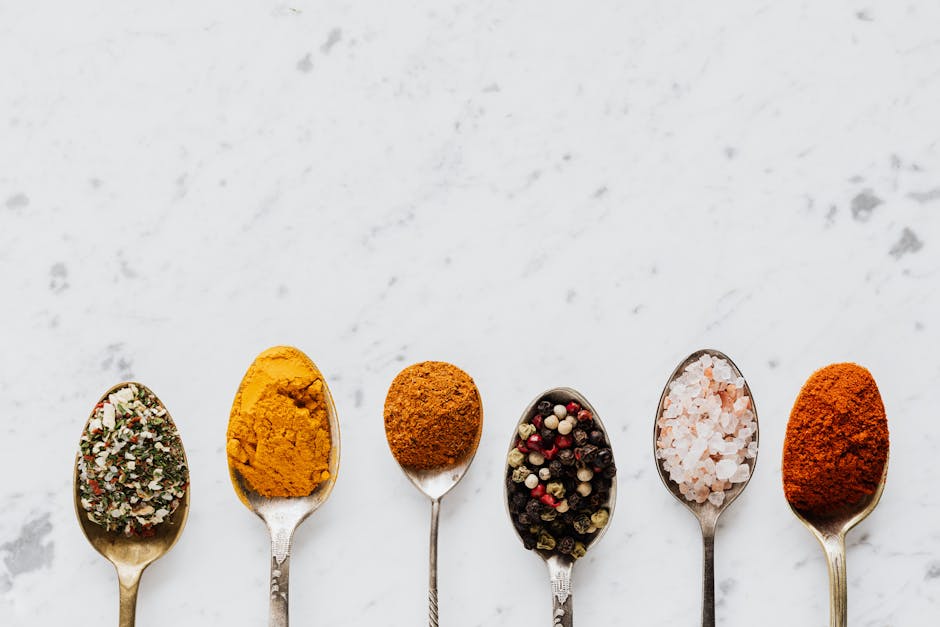
Maximizing Spice Potency: Shelf Life and Freshness Guide
To unlock the true therapeutic benefits and vibrant flavors of your meals, understanding spice Shelf Life is essential. Over time, the volatile essential oils responsible for the aroma, taste, and Ayurvedic healing properties of spices gradually dissipate.
A common question we receive at Villorya Organics is, how long do spices last before losing their potency? While they rarely spoil or become unsafe, the dried spices shelf life determines how much flavor and vitality they will actually contribute to your dishes.
To keep your pantry optimized for wellness, follow these general shelf life guidelines for organic spices:
- Whole Spices (such as whole cardamom, cloves, and cumin seeds): These retain their active compounds the longest, lasting about 3 to 4 years.
- Ground Spices (such as ground turmeric, ginger, and cinnamon): Once the protective outer cell walls are broken, they lose potency faster, lasting about 1 to 2 years.
- Dried Herbs (such as organic oregano, basil, and thyme): These delicate leaves generally retain their active qualities for 1 to 3 years.
How to Perform the Scent and Color Freshness Test
If you are unsure whether your spices are still active and beneficial, you can easily test them using your senses. This quick ritual ensures you are only cooking with ingredients that actively support your digestion and well-being.
- The Rub and Sniff Test: Place a small pinch of the spice in the palm of your hand and rub it gently with your thumb. This friction releases any remaining volatile oils. If the aroma is weak, dusty, or completely missing, it is time to replace the spice.
- The Color Inspection: High-quality organic spices should exhibit rich, vibrant colors. If your cayenne pepper looks dull brown or your turmeric has lost its brilliant golden glow, the active phytochemicals have degraded.

Frequently Asked Questions About How to Use Spices Chart
What are the 7 Indian spices and their uses?
The traditional Indian spice box features turmeric (anti-inflammatory color), cumin (earthy digestion aid), coriander (citrusy depth), mustard seeds (nutty warmth), red chili (fiery heat), fenugreek (sweet bitterness), and garam masala (warming depth). Using certified organic versions ensures these potent spices are free from synthetic chemicals, delivering pure, authentic flavor.
How to know which spices to use?
Consult an organic spice chart to match flavor profiles with your base ingredients. Group spices by category: earthy (cumin), sweet (cinnamon), or pungent (garlic). Begin with classic pairings—like organic rosemary for roasted potatoes—and gradually experiment by adding one new organic spice at a time to build your culinary confidence.
How to use spices correctly?
Bloom whole organic spices in warm oil or ghee at the start of cooking to release their fat-soluble flavor compounds. Add ground organic spices near the end to prevent them from burning. Always store your spices in airtight glass containers away from heat and light to preserve their organic potency.
What are the 24 spices?
The essential 24 kitchen spices include turmeric, cumin, coriander, cinnamon, cloves, cardamom, nutmeg, ginger, garlic, paprika, cayenne, black pepper, mustard, fennel, fenugreek, allspice, rosemary, thyme, oregano, basil, sage, tarragon, bay leaf, and saffron. Sourcing these as certified organic guarantees highly concentrated, chemical-free flavor profiles for any recipe.


