Herbs around the world: 12 Ancient Healing Plants

Herbs Around the World: The Ultimate Global Botanical Atlas & Guide

Botanical Foundations: Understanding Herbs Around the World
For millennia, diverse cultures have relied on the power of plants to nourish the body and restore biological balance. Exploring herbs around the world reveals a rich tapestry of traditional wisdom, from Ayurvedic practices in India to ancient Mediterranean remedies. Understanding these botanical foundations is the first step to harnessing their life-giving benefits in your daily kitchen rituals.
Herbs Versus Spices: A Culinary and Botanical Distinction
Many home cooks use the terms interchangeably, but the botanical herb and a spice distinction is actually quite simple. Herbs generally refer to the leafy, green parts of temperate plants, whereas spices are derived from the seeds, bark, roots, or fruits of tropical woody plants. Understanding this difference helps you better preserve their delicate volatile oils during cooking.
Within this botanical framework, we also distinguish between culinary herbs and medicinal herbs. While culinary varieties are celebrated primarily for bringing fresh, vibrant flavor to our daily meals, medicinal plants are selected for their targeted therapeutic potency in holistic healing traditions.
To help clarify these differences, here is a quick guide to how different plant parts are classified in global cuisines:
- Herbs: Mint, basil, cilantro, and oregano (harvested from the leafy green parts of the plant).
- Spices: Turmeric (rhizome), cinnamon (bark), cumin (seeds), and cardamom (seed pods).
The Chemistry of Healing: Active Compounds in Common Herbs
The true power of botanicals lies in their complex chemistry, where specific active compounds interact harmoniously with our biology. Unlike synthetic alternatives, natural herbs offer a synergistic matrix of antioxidants, essential oils, and phytonutrients that support the body's natural defense systems.
At Villorya Organics, we source our plants to preserve these delicate, volatile compounds, ensuring maximum potency from soil to plate. Many of the most powerful active compounds found in common medicinal herbs and culinary herbs are backed by centuries of traditional use:
- Curcumin: The active polyphenol in turmeric, widely studied for its powerful anti-inflammatory and antioxidant properties.
- Rosmarinic Acid: A potent antioxidant found in rosemary and oregano that supports immune health and seasonal wellness.
- Eugenol: A fragrant compound in sweet basil and cloves known for its natural antimicrobial and comforting digestive benefits.
- Menthol: The primary active compound in mint varieties, celebrated for its cooling, soothing effect on the digestive tract.

The Global Botanical Atlas: Herbs Categorized by Region of Origin
Understanding the list of herbs around the world requires looking at how geography, climate, and ancient traditions shaped culinary and healing practices. From sun-drenched coastal cliffs to high-altitude mountain ranges, every continent has contributed unique botanicals to humanity's shared pantry.
[Interactive Global Herb Origin Map: Click on a region to explore native botanicals, harvesting seasons, and traditional uses.]
Mediterranean Staples and European Botanicals
The Mediterranean basin is famed for sun-loving plants rich in aromatic volatile oils. These resilient flora adapted to dry summers and rocky soils, concentrating potent flavors that define classic European cooking.
- Rosemary: A potent symbol of remembrance and vitality, prized for its robust, pine-like aroma.
- Thyme: Packed with thymol, this tiny leaf packs a powerful punch in both savory dishes and wellness teas.
- Oregano: A cornerstone of Italian and Greek cuisine, celebrated for its warm, earthy punch.
- Sage: Revered in traditional European herbalism for its velvety, savory depth.
East Asian Powerhouses: Traditional Chinese Medicine and Beyond
East Asia offers some of the most revered medicinal herbs around the world, deeply rooted in holistic systems like Traditional Chinese Medicine (TCM). These botanicals are traditionally utilized to restore energetic balance, support longevity, and enhance daily vitality.
- Ginseng: The ultimate adaptogenic root, utilized for millennia to combat fatigue and boost resilience.
- Holy Basil (Tulsi): Though spanning into South Asia, it holds a sacred place in Eastern wellness for its stress-soothing properties.
- Star Anise: A striking, star-shaped spice offering a warm, licorice-like sweetness essential to regional broths.
[Regional Flavor Pairing Infographic: Discover how Eastern botanicals complement earth-driven organic spices.]
Mesoamerican and South American Botanicals
The Americas boast a rich biodiversity that gifted the world some of its most transformative aromatic crops. Indigenous civilizations cultivated these plants not just for flavor, but for profound ceremonial and therapeutic purposes.
- Epazote: A pungent, distinct herb traditionally used in Mesoamerican cooking to enhance bean digestibility.
- Mexican Oregano: Distinct from its Mediterranean counterpart, offering bright, citrusy, and robust undertones.
- Vanilla Bean: Native to Mesoamerica, this exquisite orchid pod provides deep, complex sweetness.
African and Middle Eastern Medicinal and Culinary Treasures
Bridging ancient trade routes, the Middle East and Africa utilize sun-dried leaves and seeds that prioritize warmth, digestion, and preservation. These regions rely on botanicals that withstand arid climates while offering intense aromatic profiles.
- Za'atar (Thyme and Hyssop blends): A legendary Middle Eastern botanical mix symbolizing hospitality and wellness.
- Moringa Leaves: Hailed as a nutritional powerhouse across parts of Africa for its dense vitamin and antioxidant profile.
- Mint: A refreshing staple across North Africa, essential for daily hospitality rituals and digestive support.
At Villorya Organics, we honor these deep geographic roots by sourcing our organic spices and herbs directly from their native soils, ensuring pristine quality and unmatched potency in every jar.

Global Comparison Table: Regional Herbs, Flavor Profiles, and Uses
Understanding the vast List of herbs around the world is the first step to mastering both global cuisine and natural wellness. Each geographical region nurtures unique botanical treasures that reflect its soil, climate, and traditional healing systems like Ayurveda.
To help you navigate these diverse botanicals, we have compiled a comprehensive guide to Herbs around the world and their uses. This table highlights how different cultures harness the culinary and therapeutic power of nature.
| Region of Origin | Herb Name | Flavor Profile | Primary Culinary & Wellness Uses |
|---|---|---|---|
| South Asia (India) | Holy Basil (Tulsi) | Peppery, sweet, clove-like | Used in adaptogenic teas to reduce stress and support respiratory health. |
| Mediterranean | Rosemary | Woody, pine-like, citrusy | Perfect for roasted dishes; traditionally used to support memory and circulation. |
| East Asia | Lemongrass | Bright, citrusy, herbaceous | Essential for curries and broths; widely used to promote healthy digestion. |
| Middle East | Mint (Nana) | Cool, refreshing, sweet | Infused into teas and salads; highly valued for its cooling, digestive-soothing properties. |
| Mesoamerica | Mexican Oregano | Robust, earthy, citrus undertones | Enhances salsas and slow-cooked beans; traditionally used for its antimicrobial properties. |
Sourcing Potent, Organic Botanicals
To truly experience the benefits of these global herbs, quality is paramount. Certified organic, non-irradiated herbs retain their volatile essential oils, ensuring maximum flavor and therapeutic potency in every pinch.
At Villorya Organics, we carefully source our spices and herbs using sustainable practices. This preserves their natural vitality and respects the ancient Ayurvedic principles of holistic wellness.
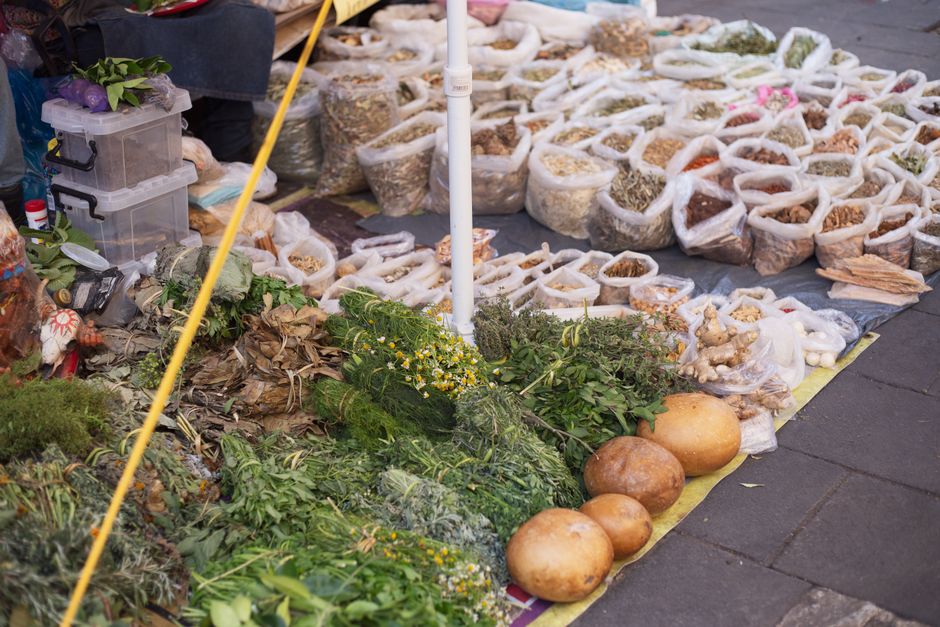
Traditional Medicinal Systems and Global Healing Traditions
For thousands of years, cultures across the globe have looked to the earth for healing, giving rise to sophisticated frameworks for health and wellness. Exploring medicinal herbs around the world reveals a shared human reliance on nature's pharmacy, where plants serve as both daily nourishment and potent medicine. These time-tested healing traditions treat the whole person, balancing the body, mind, and spirit rather than simply masking symptoms.
Ayurvedic Herbalism and the Power of Tulsi
Originating in ancient India over 5,000 years ago, Ayurveda is one of the world's most enduring holistic healing systems. Central to this tradition is the classification of herbs according to their elemental energies and profound balancing effects on the body's doshas.
Among the most revered botanicals in this tradition is Holy Basil, universally known as Tulsi. Revered as the "Queen of Herbs," Tulsi is classified as a powerful adaptogen that helps the body adapt to stress and promotes overall longevity. Incorporating high-quality, sustainably sourced organic herbs like Villorya Organics Tulsi into your daily routine allows you to experience the authentic benefits of this ancient wellness tradition.
Native American Herbalism and Indigenous Wisdom
Parallel to Eastern practices, Indigenous cultures across North America developed a profound, empirical understanding of native flora. Native American herbalism is rooted in a deep spiritual connection to the land and a profound respect for the natural world. Healers traditionally viewed plants as living relatives with specific healing gifts to offer.
This rich tradition utilizes a diverse array of indigenous plants for everything from immune support to digestive health. Key practices emphasize sustainability, harvesting only what is needed, and honoring the plant through prayer or gratitude. By studying these global traditions—much like Traditional Chinese Medicine (TCM)—we gain a deeper appreciation for the universal wisdom of plant-based healing that continues to inspire modern organic living.

Activation Chemistry: How Global Cultures Prepare and Cook Herbs
How we process and cook herbs around the world dictates not just their flavor, but their medicinal potency. Across different cultures, traditional preparation methods are designed to unlock specific health benefits. Understanding these ancient techniques allows us to maximize the wellness potential of every organic spice we use.
Oil-Tempering in Asia Versus Raw Crushing in the Mediterranean
In South Asian Ayurvedic traditions, the practice of tadka (oil-tempering) is used to bloom spices and herbs in hot fat. This is not merely a culinary technique; it is a precise method of molecular extraction. By briefly heating herbs in oil or ghee, we activate fat-soluble nutrients that would otherwise pass through the body unabsorbed.
A study published in the Journal of Agricultural and Food Chemistry demonstrates that heating herbs in a lipid medium significantly increases the bioavailability of lipophilic active compounds. For example, compounds like curcumin in turmeric or thymol in thyme dissolve into the fat, making them highly absorbable during digestion. Without this fat-activation step, our bodies can only utilize a fraction of these therapeutic agents.
In contrast, Mediterranean traditions often favor raw crushing, pestle-and-mortar grinding, or finishing dishes with fresh, uncooked herbs. This cold-extraction method is designed to preserve highly volatile essential oils and heat-sensitive antioxidants, such as vitamin C. By avoiding heat, these cultures preserve the delicate, aromatic top notes of their native flora, utilizing them for immediate digestive support.
The Impact of Terroir and Climate on Herb Potency
Just like fine wine, the therapeutic strength of herbs around the world is deeply influenced by their native terroir. The specific combination of soil chemistry, altitude, temperature, and rainfall dictates how a plant develops its defense mechanisms. These defense mechanisms are what we experience as medicinal active compounds.
Buy Your First Organic Spice For FREE
No hidden charges. Experience the unmatched aroma and medicinal purity of single-origin Indian spices. Your full order amount will be 100% refunded to your bank account after successful delivery.

Single-Origin Rajasthan
Cumin Seeds (जीरा)

Tellicherry Grade
Black Pepper (काली मिर्च)

Sweet Lucknowi
Fennel Seeds (सौंफ)
Plants grown in harsh, semi-arid regions or high altitudes are forced to produce higher concentrations of secondary metabolites, such as polyphenols and terpenes, to survive. At Villorya Organics, we source our spices from heritage regions where these natural environmental stressors are optimized. This ensures that every herb contains the high-potency chemical profile intended by nature.
Furthermore, regenerative organic farming practices preserve the natural microbial life of the soil. This rich biodiversity allows the plants to draw deep nourishment from the earth, resulting in a more complex flavor profile and superior wellness benefits. By respecting the relationship between terroir and preparation, we honor the true chemistry of global herbal traditions.

The Historical Spice and Herb Trade Routes That Shaped the World
Long before modern logistics, ancient merchants traversed treacherous pathways to trade precious botanicals. These historic routes did not just move commodities; they exchanged culture, medicine, and spiritual traditions across civilizations.
From the high-altitude passes of the Silk Road to the monsoon-driven maritime pathways, these trade networks mapped the distribution of herbs around the world. Today, we still enjoy the culinary and therapeutic legacies forged by these ancient travelers.
The Maritime Spice Route
Often called the "Golden Road," the maritime route connected the East Indies, India, and East Africa with the Mediterranean. Ships braved open seas to carry prized treasures like organic black pepper, cardamom, and turmeric from the coastal ports of India to the empires of Rome and Egypt.
This aquatic highway facilitated the deep integration of Ayurvedic medicine into Western wellness practices. The demand for these aromatic roots and seeds shaped empires, funded voyages of discovery, and permanently altered global gastronomy.
The Overland Silk Road
Spanning from China to the Mediterranean coast, the Silk Road was a bustling network of land routes. While silk and jade were famous exports, caravan traders also carried dried botanical treasures across vast deserts and rugged mountains.
This overland network allowed for the exchange of unique herbs around the world, introducing Central Asian licorice root, Persian saffron, and Mediterranean coriander to new cultures. These plants were integrated into traditional Chinese medicine and European monastic gardens alike.
The Legacy of Botanical Exchange
The global movement of these botanicals created a rich tapestry of fusion medicine and cuisine. Today, Villorya Organics honors these ancient pathways by sourcing pure, ethically harvested spices that preserve their historical potency.
The historical exchange brought several staple botanicals to global prominence:
- Turmeric: Traveled from the Indian subcontinent to East Asia and Africa, prized for its anti-inflammatory properties.
- Cinnamon: Highly valued in ancient Egypt for preservation, embalming, and ritual use.
- Ginger: Spread rapidly through maritime routes, becoming a cornerstone of both Asian and European herbalism.
By understanding how these routes connected humanity, we can better appreciate the holistic power of the spices in our kitchens. Every pinch of organic spice carries the spirit of thousands of miles traveled across history.

A-Z Directory of Standard Botanical Herb Names
Navigating the world of botanical wellness requires precision, as common names often vary by region and culture. Utilizing a standardized herbs list A-Z ensures you receive the exact therapeutic benefits intended by nature, preserving the integrity of ancient Ayurvedic and holistic practices.
10 Examples of Herbs and Their Botanical Classifications
To help you understand how botanical taxonomy aligns with everyday wellness, we have compiled a foundational selection. Here are 10 examples of herbs that highlight the transition from common names to their official scientific designations:
- Turmeric (Curcuma longa) – The golden healer of Ayurveda, renowned for its active compound, curcumin.
- Ginger (Zingiber officinale) – A warming digestive spice used globally to stimulate the digestive fire, or Agni.
- Holy Basil / Tulsi (Ocimum tenuiflorum) – The "Queen of Herbs," revered for its adaptogenic, stress-relieving properties.
- Ashwagandha (Withania somnifera) – A powerful Ayurvedic adaptogen designed to restore systemic balance.
- Peppermint (Mentha piperita) – A cooling carminative herb that soothes the digestive tract.
- Rosemary (Salvia rosmarinus) – A fragrant herb historically utilized to support cognitive clarity and memory.
- Cinnamon (Ceylon) (Cinnamomum verum) – The "true" cinnamon, celebrated for supporting healthy metabolic function.
- Garlic (Allium sativum) – A pungent bulb prized for its cardiovascular and immune-supportive compounds.
- Cardamom (Elettaria cardamomum) – An aromatic, warming seed pod used to balance all three Ayurvedic doshas.
- Black Pepper (Piper nigrum) – The King of Spices, essential for enhancing the bioavailability of other vital herbs.
What Are Some Herbs That Start with the Letter D?
When expanding your herbal repertoire, looking at specific alphabetical categories can be highly rewarding. If you are searching for botanical remedies that start with the letter D, these powerhouse plants offer incredible benefits:
- Dandelion (Taraxacum officinale) – A traditional bitter herb highly valued for its natural liver support and kidney-cleansing properties.
- Dill (Anethum graveolens) – A carminative herb traditionally used to ease digestive discomfort and gas.
- Dong Quai (Angelica sinensis) – Often referred to as "female ginseng," this root is celebrated in Eastern medicine for hormonal balance.
- Devil's Claw (Harpagophytum procumbens) – A desert plant native to Southern Africa, traditionally used to support joint comfort.
- Damiana (Turnera diffusa) – A wild shrub native to the Americas, traditionally used to uplift mood and support vitality.
Can You Give Me 100 Names of Medicinal Plants?
While compiling a list of exactly 100 names of medicinal plants can be vast, starting with the most therapeutically active species is key. Below, we have curated a reference directory featuring 3 essential organic spices variations, matching their common names with official botanical designations to guide your organic journey.
| Common Herb Name | Standard Botanical Name | Primary Ayurvedic / Holistic Use |
|---|---|---|
| Amalaki (Amla) | Phyllanthus emblica | Immune support and rejuvenation (Rasayana) |
| Astragalus | Astragalus membranaceus | Strengthening vitality and immune defense |
| Bacopa (Brahmi) | Bacopa monnieri | Cognitive enhancement and nervous system support |
| Calendula | Calendula officinalis | Soothing skin health and tissue healing |
| Chamomile | Matricaria chamomilla | Calming the nervous system and promoting restful sleep |
| Clove | Syzygium aromaticum | Potent antioxidant support and oral hygiene |
| Coriander | Coriandrum sativum | Cooling digestion and heavy metal detoxification |
| Echinacea | Echinacea purpurea | Seasonal immune system activation |
| Elderberry | Sambucus nigra | Antioxidant-rich defense against winter seasonal elements |
| Fennel | Foeniculum vulgare | Alleviating bloating and cooling excess digestive heat |
| Fenugreek | Trigonella foenum-graecum | Supporting healthy lactation and metabolic balance |
| Ginseng (Asian) | Panax ginseng | Promoting physical stamina and cognitive endurance |
| Gotu Kola | Centella asiatica | Supporting mental clarity and healthy circulation |
| Licorice Root | Glycyrrhiza glabra | Soothening respiratory passages and adrenal support |
| Milk Thistle | Silybum marianum | Protecting and regenerating liver cells |
| Moringa | Moringa oleifera | Nutrient-dense superfood supporting overall cellular vitality |
| Nettle Leaf | Urtica dioica | Supporting seasonal respiratory comfort and mineral status |
| Shatavari | Asparagus racemosus | Nourishing female reproductive health and hormonal balance |
| Triphala (Blend) | Emblica, Bellirica, Chebula | Gentle daily digestive detoxification and elimination |
| Valerian Root | Valeriana officinalis | Promoting deep relaxation and muscular comfort |
By understanding both the common and botanical names of these plants, you can make informed choices when selecting high-potency, certified organic spices and herbs for your daily wellness ritual.

Conservation Watch List: Rare, Endangered, and Protected Global Herbs
The rising global demand for natural remedies has put immense pressure on herbs around the world. Many rare herbs that have flourished for centuries are now facing ecological pressure due to habitat destruction and unsustainable wild-harvesting practices.Protected Species and Global Agreements
To protect these precious botanical resources, international bodies monitor trade and conservation status. The IUCN Red List of Threatened Species and the CITES (Convention on International Trade in Endangered Species) appendices are critical tools used to identify and protect endangered herbs.
Critically Threatened Botanicals
- White Sage (Salvia apiana): Native to the southwestern United States and northwestern Mexico, this sacred plant faces severe threats from illegal wild-harvesting. While not yet listed on CITES, local conservation groups and ecological assessments warn of its rapidly declining wild populations.
- Himalayan Fritillaria (Fritillaria cirrhosa): This highly prized herb, used in traditional medicine, is listed on the IUCN Red List as vulnerable. It is also protected under CITES Appendix II due to extreme over-harvesting in the wild, which threatens its survival in its native alpine habitats.
- Goldenseal (Hydrastis canadensis): A staple of traditional North American herbalism, this forest-dwelling herb is listed on CITES Appendix II due to heavy wild-harvesting and deforestation.
Villorya’s Commitment to Sustainable Sourcing
Protecting endangered herbs is at the heart of our mission at Villorya Organics. We actively support biodiversity by sourcing exclusively from certified organic farms that practice sustainable cultivation rather than wild-harvesting vulnerable species.
By choosing ethically cultivated herbs, we ensure these vital plants survive for future generations while respecting sacred Ayurvedic and indigenous traditions.
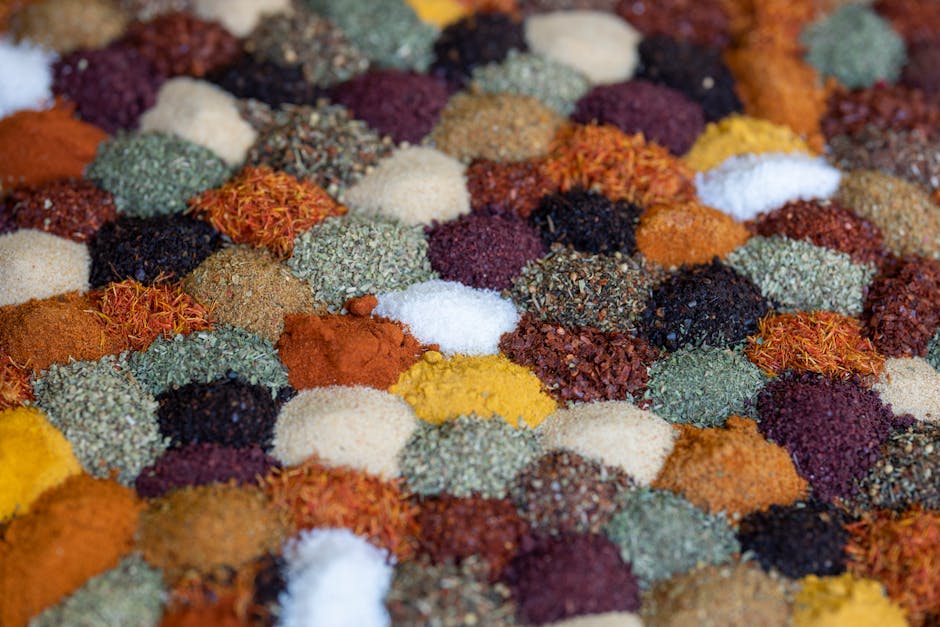
Cultivation Guide: How to Grow and Harvest Common Herbs Worldwide
Mastering how to grow and harvest common herbs from around the globe allows you to bring authentic, farm-to-table freshness directly to your kitchen. While international varieties originate from vastly different ecosystems, understanding their foundational needs ensures a thriving home garden.
Soil, Sunlight, and Climate Adaptations for Exotic Herbs
Replicating native environments is the secret to successfully cultivating global spices and herbs. Most culinary herbs demand well-draining soil to prevent root rot, but their specific sunlight and climate preferences vary significantly.
When learning how to grow and harvest common herbs, pay close attention to these regional adjustments:
- Mediterranean varieties (such as oregano and thyme) thrive in poor, sandy soil with full, intense sunlight and minimal watering.
- Tropical and subtropical greens (like Vietnamese coriander or Thai basil) require rich, moisture-retentive organic soil, high humidity, and partial shade during scorching afternoons.
- Temperate herbs (such as mint and chives) adapt easily to cooler climates but need controlled boundaries to prevent invasive root spreading.
Best Practices for Harvesting to Maximize Essential Oils
The true potency of any organic herb lies within its volatile essential oils, which dictate both aroma and medicinal value. Knowing the precise timing and technique for gathering your crops dramatically enhances their flavor profile.
Optimize your yields by following these time-tested harvesting methods:
- Timing is everything: Always harvest your herbs in the morning just after the dew has evaporated, but before the midday sun bakes away the essential oils.
- Pruning for growth: Never strip a plant entirely; instead, harvest no more than one-third of the plant at a time to encourage bushier, healthier re-growth.
- Pre-flowering pluck: Collect leaves just before the plant begins to flower, as the energy shifts toward blossom production and often leaves foliage tasting bitter.

Frequently Asked Questions About Herbs around the world
What is the most commonly used herb in the world?
Cilantro, also known as fresh coriander leaves, is widely considered the most commonly used herb globally. It plays a foundational role in Mexican, Middle Eastern, Asian, and Latin American cuisines, prized for its distinct, vibrant flavor profile.
What are some herbs that start with the letter "D"?
Several notable herbs begin with the letter "D." The most common include dill, damiana, dandelion (often used for both culinary and medicinal purposes), and dong quai, a staple in traditional Chinese herbal medicine.
What are some rare herbs I can grow in my garden?
Gardeners seeking unique additions can grow rare herbs like Epazote, Gotu Kola, Meadowsweet, or Hoa Loc Vietnamese mint. These unusual plants add exotic flavors and unique medicinal properties to home gardens.
Can you give me 100 names of medicinal plants?
Listing 100 plants exceeds this format, but popular medicinal plants include Aloe Vera, Echinacea, Ginseng, Turmeric, Chamomile, St. John's Wort, Valerian root, Ginkgo Biloba, Peppermint, and Ashwagandha, all celebrated globally for their natural healing properties. You can also explore the digestive wellness trio for a deeper dive into gut-supporting botanicals.


