Are Papaya Seeds Black Pepper? The Truth Revealed

Are Papaya Seeds Black Pepper? The Truth About Spice Fraud, Taste, and Health
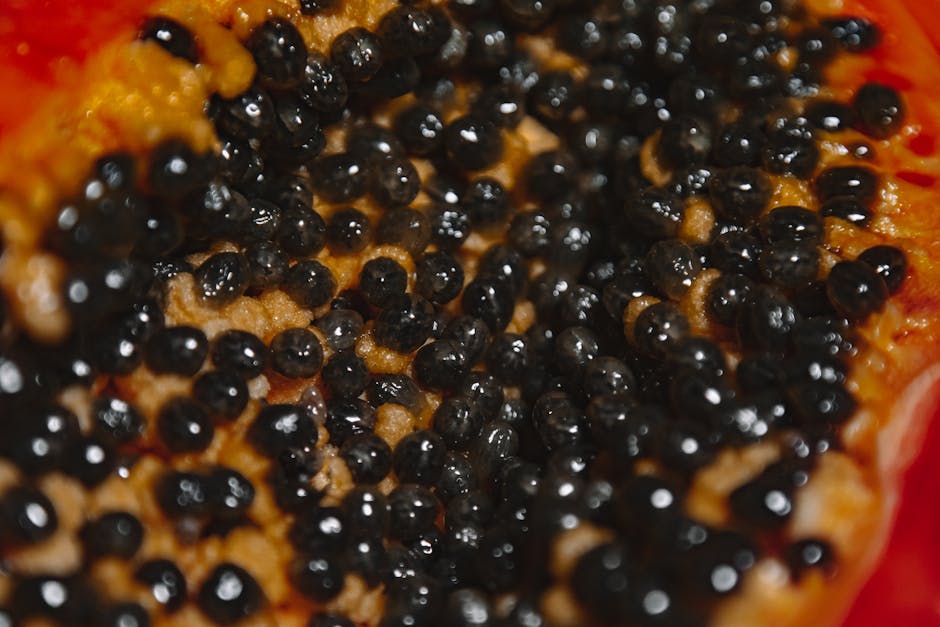
Papaya Seeds vs. Black Peppercorns: Are They the Same Thing?
No, papaya seeds and real black peppercorns are completely different entities. While many consumers ask, are papaya seeds black pepper, they come from entirely distinct plant families with unique culinary, botanical, and therapeutic properties. If you are wondering does black pepper come from papaya seeds, the clear answer is no—black pepper is a true spice harvested from a flowering vine, not a byproduct of tropical papaya fruit.
Botanical Roots: Carica Papaya vs. Piper Nigrum
To understand the difference, we must examine their botanical origins. Papaya seeds are harvested from the central cavity of the juicy tropical fruit tree known scientifically as Carica papaya. These seeds are naturally rich in papain, a powerful digestive enzyme often celebrated in Ayurvedic wellness for supporting gut health.
In contrast, true black peppercorns are the dried berries of Piper nigrum, a wooden flowering vine native to southern India. The unripe green berries are harvested and dried in the sun, causing them to darken and yield piperine, the active alkaloid compound responsible for black pepper's distinct heat and bio-enhancing properties.
Why Dried Papaya Seeds Look Identical to Black Peppercorns
Despite coming from unrelated plant species, dried papaya seeds are frequently confused with black peppercorns due to striking visual similarities. When fresh papaya seeds are washed, fully dehydrated, and dried, their appearance changes dramatically to resemble whole spices.
- Size and Shape: Both entities are small, spherical, and range between 3 to 5 millimeters in diameter.
- Color Profile: As moisture leaves the papaya seed, its outer gelatinous coat vanishes, leaving behind a deep matte-black or dark charcoal brown color.
- Wrinkled Texture: The dehydration process causes the outer hull of the papaya seed to shrivel, creating a rough, corrugated surface that mirrors the characteristic skin of dried peppercorns.
Because these physical traits are so remarkably close, dried papaya seeds have historically been used as a low-cost spice adulterant mixed into unverified black pepper supplies. Choosing pure, single-origin organic spices ensures you receive authentic taste, safety, and therapeutic value without unwanted fillers.

Flavor Profile Comparison: Do Papaya Seeds Taste Like Black Pepper?
Many culinary enthusiasts wonder, do papaya seeds taste like black pepper when ground over a fresh dish? While they share a sharp, biting kick, papaya seeds present a uniquely pungent flavor profile with distinct notes of horseradish, mustard, and a subtle bitter finish.
Although papaya seeds are peppery enough to serve as a rustic alternative in everyday cooking, their heat behaves differently on the palate. True black pepper provides a deep, warming sensation, whereas papaya seeds deliver an upfront, fresh sharpness that dissipates more quickly.
The Science of Heat: Piperine vs. Benzyl Isothiocyanate
The signature kick of true peppercorns comes from piperine, an alkaloid responsible for black pepper's rich aroma and lingering heat. This compound naturally stimulates digestive secretions and enhances nutrient bioavailability.
In contrast, the sharp pungency of papaya seeds stems from benzyl isothiocyanate. This sulfur-rich compound is identical to the active heat element in raw radish, wasabi, and mustard seeds, giving papaya seeds their characteristic bite.
Fresh papaya seeds also contain papain, a powerful digestive enzyme that helps break down complex proteins. While papain supports healthy digestion according to traditional Ayurvedic principles, it adds a mild bitterness that is absent in standard dried peppercorns.
Side-by-Side Comparison: Papaya Seeds vs. Black Peppercorns
To better understand how these two seeds compare in culinary and wellness applications, examine their sensory and chemical differences below:
| Feature | Papaya Seeds | Black Peppercorns |
|---|---|---|
| Active Heat Compound | Benzyl isothiocyanate | Piperine |
| Flavor Profile | Peppery, radish-like, with a bitter finish | Warm, woody, sharp, and lingering pungency |
| Enzymatic Content | Rich in protein-digesting papain | Enzyme-free (stimulates internal digestive enzymes) |
| Heat Duration | Sharp initial burst that fades rapidly | Deep, slow-building, continuous heat |
| Best Culinary Uses | Salad dressings, marinades, fresh garnishes | Universal seasoning, curries, rubs, whole spice blends |

The Dark Side of Spice Trading: Papaya Seed Adulteration in Black Pepper
The global spice market faces a persistent threat from unethical manufacturing practices, turning everyday kitchen staples into targets for compromise. Among the most prevalent issues in commercial supply chains is food fraud, where authentic whole spices are secretly diluted with cheap, ineffective fillers.
Why Manufacturers Use Papaya Seeds to Fake Black Pepper
Black pepper remains one of the world's most traded commodities, but its high demand makes it a primary target for illicit profit maximization. Unscrupulous suppliers routinely exploit the physical similarities between raw fruit waste and genuine peppercorns.
The adulteration of dried papaya seeds in pepper is widely practiced because, once fully dried, papaya seeds mimic real black pepper in size, dark hue, and shrivelled surface texture. However, these inert seeds lack essential aromatic oils, offering zero culinary heat while directly compromising strict spice purity standards.
- Visual Deception: Dried papaya seeds blend seamlessly with black peppercorns, making detection nearly impossible at a casual glance.
- Cost Dilution: Manufacturers use waste seeds to artificially pad product weight and reduce production costs significantly.
- Flavor Degradation: The fake seeds dilute the characteristic pungent bite and aroma of real Piper nigrum.
The Medicinal Cost: Why Authentic Black Pepper Matters for Turmeric Absorption
Beyond culinary disappointment, fake pepper severely undermines the therapeutic potential of your food. Genuine black pepper owes its characteristic heat and health benefits to piperine, a powerful bioactive alkaloid deeply valued in traditional Ayurvedic remedies.
The loss of real piperine directly destroys crucial piperine synergy in Ayurvedic cooking, particularly when paired with turmeric. A seminal peer-reviewed clinical study by Shoba et al. demonstrated that active piperine increases curcumin bioavailability by up to 2000%, transforming turmeric's main active compound from poorly absorbed to highly bioavailable.
If your black pepper is adulterated with papaya seeds, the piperine concentration drops significantly. Without pure, unadulterated black pepper, your body cannot properly absorb curcumin, rendering your golden milk, wellness remedies, and daily meals far less effective for holistic health.

How to Detect Fake Black Pepper at Home (Step-by-Step Test)
Food safety authorities like the Food Safety and Standards Authority of India (FSSAI) regularly highlight how easily dried papaya seeds mimic whole black pepper. Fortunately, running a quick adulteration test in your kitchen requires no special equipment and takes less than two minutes.
By following simple testing methods aligned with official FSSAI guidelines, you can instantly verify the purity of your spices before adding them to your meals.
The Water Float Test for Pepper Purity
The simplest and most reliable method to check whole peppercorns is the water float test. This test relies on the natural difference in physical density between genuine black pepper and light, hollow papaya seeds.
If you want to know how to tell if black pepper is mixed with papaya seeds, follow these step-by-step instructions:
Experience the Purity of Our Organic Spices
Elevate your cooking with our handpicked, premium spices. Farm-fresh, authentic, and naturally healthy.
Shop Now- Fill a clear glass with fresh, room-temperature water.
- Add a teaspoon of your black peppercorns into the glass.
- Stir gently and allow the mixture to settle for 1 to 2 minutes.
- Analyze the results: Pure, authentic black peppercorns are dense and will sink directly to the bottom. Papaya seeds and light berries will float to the surface.
Alcohol and Pressing Tests for Ground Pepper
Detecting fake pepper becomes slightly trickier once peppercorns are crushed or ground. However, simple tactile and liquid separation methods can still expose hidden fillers.
Use these secondary physical tests to check your ground or whole pepper supply:
- The Physical Pressing Test: Place a doubtful seed on a hard cutting board and press down firmly with the flat side of a knife. Genuine black peppercorns are extremely hard to crush, while dried papaya seeds break easily under light pressure and leave a soft, sticky residue.
- The Rubbing Alcohol Test: Mix half a teaspoon of ground pepper into a small cup of rubbing alcohol or spirit. Pure black pepper powder settles quickly at the bottom, while ground papaya seeds release distinct organic fats that float and discolor the solution.
Switching to certified organic, whole spices ensures you enjoy authentic flavor and true Ayurvedic health benefits without toxic additives.

Using Papaya Seeds as a Culinary Black Pepper Substitute
For those seeking a grain-free, nightshade-free, or novel digestive spice, using a papaya seed pepper replacement is a brilliant culinary alternative. These seeds contain a sharp, pungent bite remarkably similar to fresh black peppercorns, alongside natural enzymes like papain that gently aid digestive wellness.
How to Wash, Dehydrate, and Grind Papaya Seeds at Home
Transforming fresh fruit waste into a gourmet spice requires just a few simple steps. Mastering how to dry papaya seeds correctly ensures a long shelf life and preserves their lively bite.
- Extract and Rinse: Scoop the seeds from a ripe papaya and place them in a fine-mesh strainer. Rub them vigorously under cool running water to strip away the gelatinous outer sac (sarcotesta).
- Dry Thoroughly: Spread the cleaned seeds in a single layer on a parchment-lined tray. For efficient dehydration, use a food dehydrator at 115°F (46°C) for 12 to 18 hours, or bake them on your oven's lowest setting until completely hard and dry to prevent mold growth.
- Grind and Store: Pour the completely dried seeds into a clean pepper mill or spice grinder. Crack them over dishes just as you would whole peppercorns.
Best Culinary Pairings and Recipe Uses
Understanding how to eat papaya seeds effectively comes down to balance, as their flavor profile blends horseradish-like heat with a subtle mustard undertone.
- Salad Dressings: Whisk freshly ground papaya seeds into lemon vinaigrettes or creamy tahini dressings for a fiery kick.
- Dry Rubs and Marinades: Combine cracked papaya seeds with warm, grounding spices like finely crushed cumin seeds for dynamic roasted vegetable or protein rubs.
- Digestive Finishing Topper: Blend ground papaya seeds with sea salt and a pinch of toasted carom seeds to create an Ayurvedic finishing blend for heavy meals.
- Soups and Stews: Use ground seeds as a direct 1:1 substitute for black pepper in rich lentil dahls and vegetable broths during the final minutes of cooking.

Safety, Daily Dosage, and Side Effects of Papaya Seeds
When exploring natural digestive aids, many health enthusiasts wonder, is it safe to eat the seeds of papaya? In moderate quantities, papaya seeds are generally safe for most healthy adults and contain potent antioxidants and digestive enzymes.
However, because they contain bioactive compounds like benzyl isothiocyanate, consuming them in high concentrations requires caution. Understanding proper dosage and toxicity thresholds is vital to enjoying their benefits safely.
Recommended Daily Dosage: How Much Should You Consume?
If you are trying to determine how much papaya seeds should I eat per day, moderation is the golden rule. Their sharp, peppery flavor reflects their high concentration of enzymes, which can irritate the digestive tract if consumed in excess.
So, is it good to eat papaya seeds daily? Yes, provided you adhere to strict daily limits and do not overindulge. Here is the recommended approach to adding them to your routine:
- Beginner Dosage: Start with just 1/4 teaspoon of crushed fresh or dried seeds per day to gauge your stomach's tolerance.
- Maximum Limit: Do not exceed 1 teaspoon per day.
- Cycling: Take papaya seeds for 7–14 consecutive days, followed by a break of at least two weeks to align with traditional Ayurvedic cleansing principles.
Pregnancy and Health Warnings
Despite their wellness potential, papaya seeds are not suitable for everyone. Combining **papaya with black pepper in pregnancy**—or using papaya seeds as a substitute for real black pepper—is strongly discouraged by health professionals and traditional practitioners alike.
The active enzymes in papaya seeds can induce uterine contractions and interfere with normal fetal development. Women trying to conceive or who are currently nursing should avoid papaya seeds entirely.
- Pregnancy & Lactation: Avoid completely due to potential uterine-stimulating effects.
- Gastrointestinal Distress: Consuming more than the recommended limit can trigger stomach pain, nausea, and diarrhea.
- Fertility Concerns: High doses have been traditionally noted to temporarily reduce male fertility and sperm motility.

Frequently Asked Questions About Papaya Seeds and Black Pepper
What are the health benefits of eating papaya seeds with black pepper?
Combining crushed papaya seeds with black pepper creates a potent digestive tonic rooted in natural wellness principles. Understanding papaya with black pepper benefits begins with their active compounds: papain in papaya seeds and piperine in black pepper work synergistically to enhance nutrient bioavailability and support gut integrity.
Key papaya seeds benefits when paired with pepper include:
- Improved Protein Digestion: Proteolytic enzymes efficiently break down complex proteins, reducing bloating and sluggish digestion.
- Natural Detoxification: High antioxidant levels help protect renal tissue and clear accumulated metabolic waste.
- Enhanced Bioavailability: Piperine boosts the absorption rate of vital nutrients present in both spices.
Can I plant dried papaya seeds from my spice mill?
While you can technically plant dried seeds, store-bought or dehydrated papaya seeds from a spice mill generally have very low germination rates. High drying temperatures and prolonged storage degrade the seed embryo inside the hard outer shell.
If you want to cultivate your own papaya plants using fresh fruit, follow this guide on how to prepare papaya seeds for planting:
- Scoop fresh seeds from a mature papaya and gently rub them against a sieve to remove the gelatinous outer sac (sarcotesta).
- Rinse the cleaned seeds thoroughly in cool water to eliminate natural growth inhibitors.
- Dry the seeds on a paper towel in a shaded, well-ventilated area for two to three days before planting in rich, warm soil.

Frequently Asked Questions About Papaya Seeds and Black Pepper
Does black pepper come from papaya seeds?
No, black pepper does not come from papaya seeds. Black pepper is harvested from the dried berries of the Piper nigrum vine. Although dried papaya seeds closely resemble black peppercorns in appearance, they originate from the Carica papaya fruit and are entirely different botanical species.
Is it safe to eat the seeds of papaya?
Yes, papaya seeds are generally safe to eat in small to moderate amounts. They contain beneficial antioxidants, healthy fats, and fiber. However, consuming them in excessive quantities may cause digestive discomfort due to their concentrated enzymes and strong plant compounds, so moderation is key.
Are papaya seeds peppery?
Yes, papaya seeds have a distinctly sharp, spicy, and peppery flavor profile similar to black peppercorns or wasabi. When dried and crushed, they make an excellent organic, pepper-like substitute in fresh salads, dressings, and savory culinary dishes.
Is it good to eat papaya seeds daily?
Eating a small amount of papaya seeds daily—about one teaspoon—can support digestion and gut health thanks to the enzyme papain. However, high daily doses are not recommended, as excessive consumption might irritate the digestive tract or stomach lining.


